Russian Hackers Linked to $35M Cryptocurrency Theft Following LastPass Breach

Blockchain intelligence firm TRM Labs has traced approximately $35 million in cryptocurrency stolen from LastPass password manager users to Russian cybercriminal infrastructure. The analysis reveals how attackers weaponized the 2022 LastPass vault breach—which exposed encrypted credentials belonging to roughly 30 million users—into a sustained cryptocurrency theft campaign spanning 2024 and 2025. New waves of wallet drains confirmed that attackers successfully decrypted vault contents using weak master passwords and systematically drained cryptocurrency holdings, demonstrating how single credential breaches create persistent multi-year exploitation windows enabling continuous asset theft.

read more

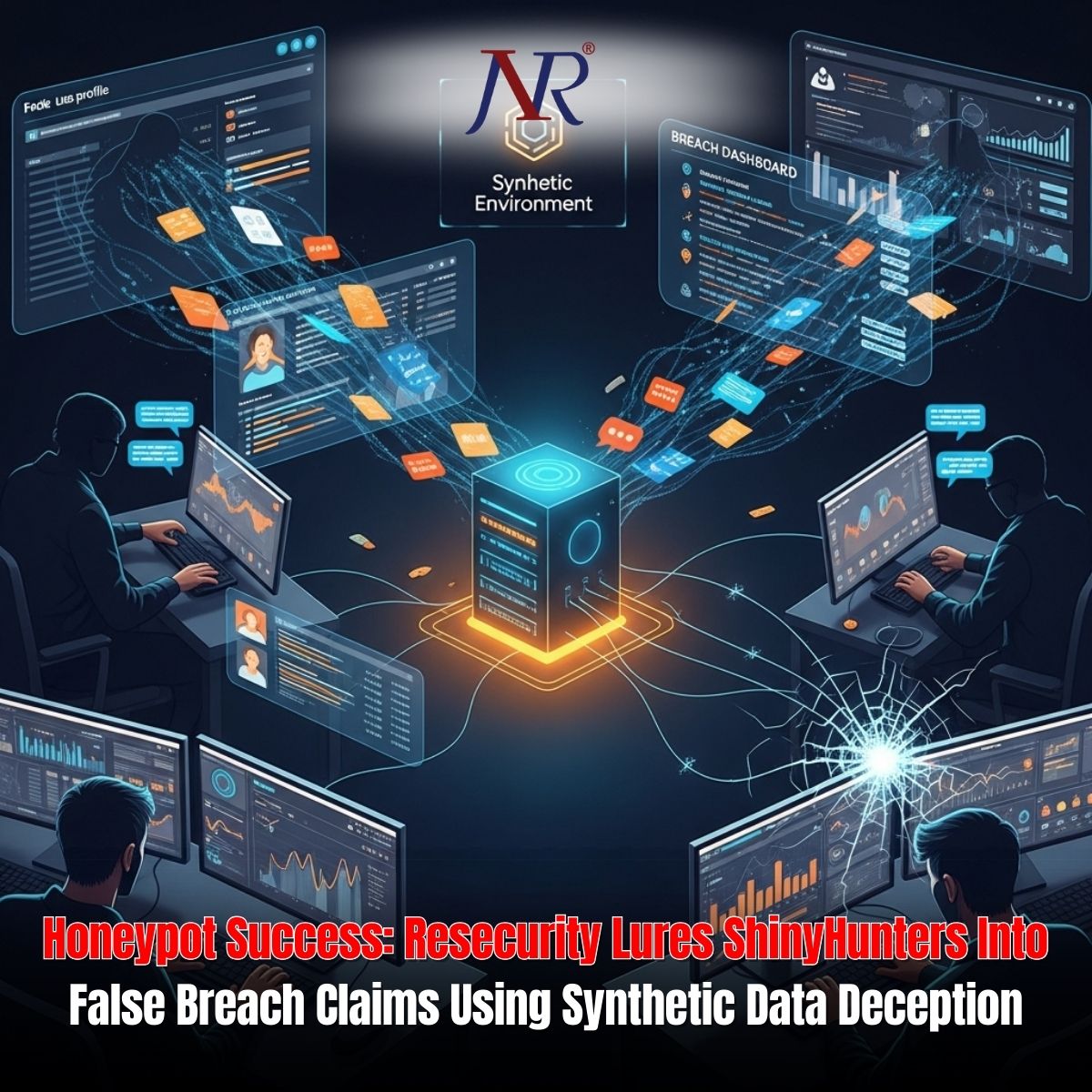
Honeypot Success: Resecurity Lures ShinyHunters Into False Breach Claims Using Synthetic Data Deception

Cybersecurity firm Resecurity has successfully executed a sophisticated counterintelligence operation, deploying advanced honeypot technology containing synthetic data to trap threat actors and expose their operational infrastructure. The operation not only ensnared an Egyptian-linked hacker but also deceived the notorious ShinyHunters cybercriminal group into falsely claiming breach of a non-existent Resecurity environment.
read more

Finally: Google Allows Users to Change Their @gmail.com Email Address After Years of Requests

Google has announced a significant policy shift that addresses one of the longest-standing user frustrations in the Gmail ecosystem: the inability to change a @gmail.com email address without creating an entirely new account. The company is gradually rolling out a feature enabling users to change their primary Gmail address to a completely new @gmail.com address while retaining all account data, purchase history, and digital assets. The feature, initially spotted in Hindi-language support documentation, represents a major departure from decades of policy treating Gmail usernames as permanent and immutable identifiers.
read more

GitLab Compromise Cascades to Nissan: 21,000 Customers Affected by Red Hat Breach

Nissan Motor Corporation has confirmed a significant data breach affecting approximately 21,000 customers of Nissan Fukuoka Sales Co., Ltd., stemming from unauthorized access to a self-managed GitLab instance operated by Red Hat Consulting. The incident demonstrates the cascading security risks inherent in contractor-managed infrastructure and represents a supply chain vulnerability affecting not only Nissan but potentially hundreds of additional Red Hat customers. Threat actors identified as the Crimson Collective claimed to have stolen approximately 570 gigabytes of compressed data from Red Hat's repositories, including Customer Engagement Reports containing sensitive infrastructure details accessible to attackers.

read more

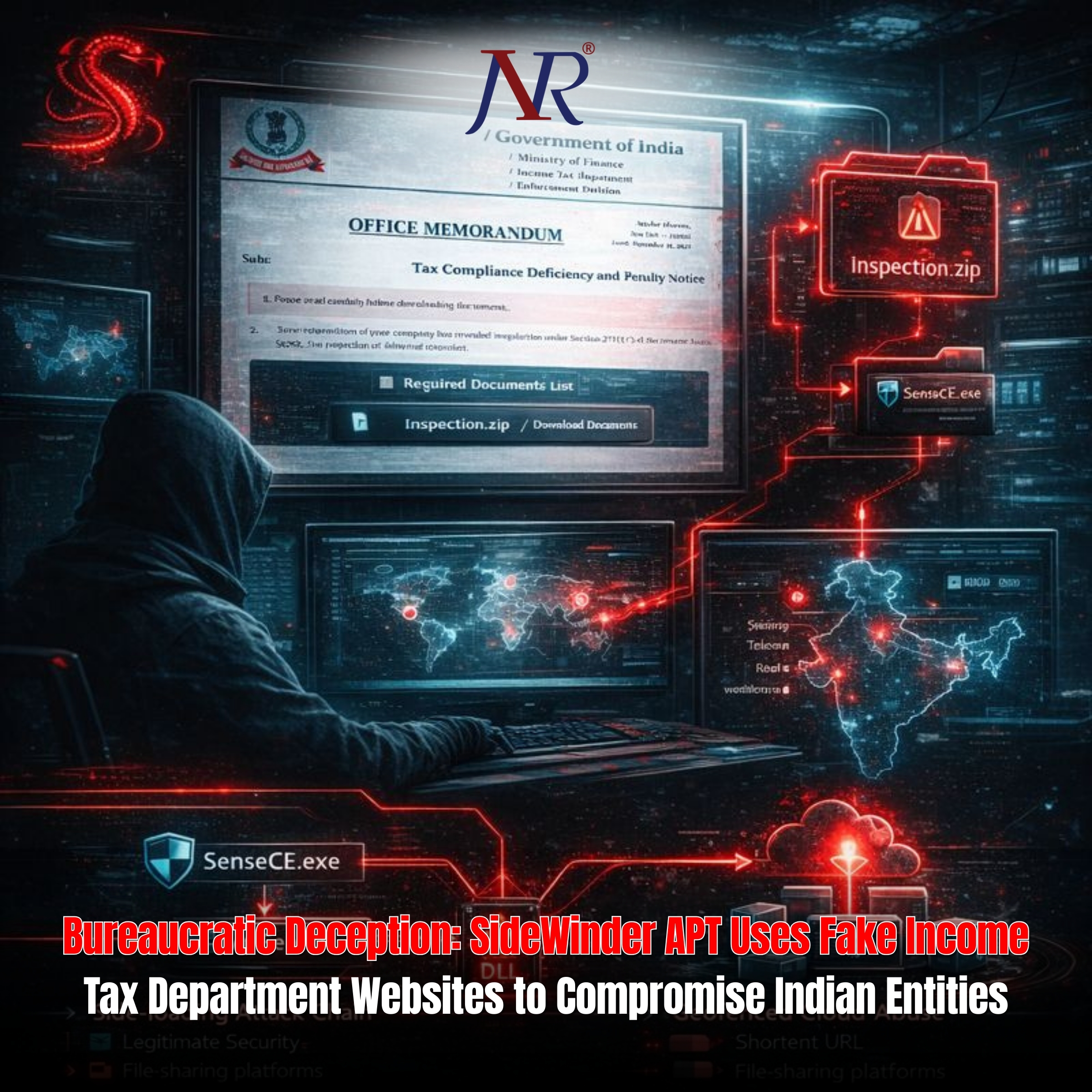
Bureaucratic Deception: SideWinder APT Uses Fake Income Tax Department Websites to Compromise Indian Entities

Zscaler Threat Hunting has uncovered an active espionage campaign attributed to the SideWinder APT group (also known as Rattlesnake and APT-C-17) targeting Indian enterprises through sophisticated impersonation of the nation's Income Tax Department. The campaign demonstrates evolved evasion tactics combining bureaucratic social engineering, DLL side-loading exploitation, legitimate cloud service abuse, and geofencing techniques to selectively activate malware based on victim geographic location. The operation primarily targets enterprises in Services, Retail, Telecommunications, and Healthcare sectors across India and neighboring Asia-Pacific countries.

read more

Adversarial Inference Through Ads: Multimodal LLMs Reconstruct User Demographics from Social Media Feeds

Cybersecurity researchers have demonstrated a novel privacy attack exploiting the convergence of algorithmic ad optimization, multimodal language models, and ubiquitous browser extensions. The attack enables threat actors to infer sensitive user attributes—including age, gender, employment status, education level, and political affiliation—by analyzing ad content visible in social media feeds. The research highlights a critical privacy vulnerability in existing ad systems: while platforms like Meta removed direct targeting options for sensitive categories, their underlying ad ranking algorithms still introduce demographic patterns detectable through machine learning analysis of ad exposure alone.

read more

SonicWall SMA1000 Under Attack: Local Privilege Escalation Flaw Exploited by Threat Actors for Complete System Control

SonicWall has issued an urgent security advisory warning of active exploitation targeting CVE-2025-40602, a local privilege escalation vulnerability affecting SMA1000 appliances. The flaw, discovered by researchers from Google Threat Intelligence Group, enables attackers with management console access to escalate privileges to root level, potentially achieving complete administrative control over affected remote access appliances. The vulnerability's critical implications emerge when chained with CVE-2025-23006, a separate critical remote code execution flaw, enabling attackers to bypass authentication entirely and execute malicious code with the highest system privileges.

read more

One-Click APK Builder: How Cellik Android RAT Automates Play Store App Repackaging for Mass Spyware Deployment

Cybersecurity researchers have identified Cellik, a sophisticated Android Remote Access Trojan combining comprehensive device surveillance capabilities with automated Google Play Store integration, enabling attackers to inject malicious code into legitimate applications with minimal technical expertise. The malware represents a significant escalation in Android-targeted threats, democratizing advanced mobile surveillance through a subscription-based malware-as-a-service model featuring a one-click APK builder, real-time screen monitoring, advanced keystroke logging, and credential harvesting systems capable of bypassing Google Play Protect detection mechanisms.

read more

Dark Web Monitoring Ends: Google Shutting Down Dark Web Report Feature in February 2026

Google announced the discontinuation of its Dark Web Report tool, a security feature designed to scan the dark web for leaked personal information. The phase-out will occur in two stages: new dark web breach scanning will cease on January 15, 2026, and the entire tool will become unavailable on February 16, 2026. Google's decision reflects user feedback indicating that while the tool provided general information about potential data leaks, it failed to deliver actionable remediation guidance, limiting its practical value for protecting users' digital identities.

read more

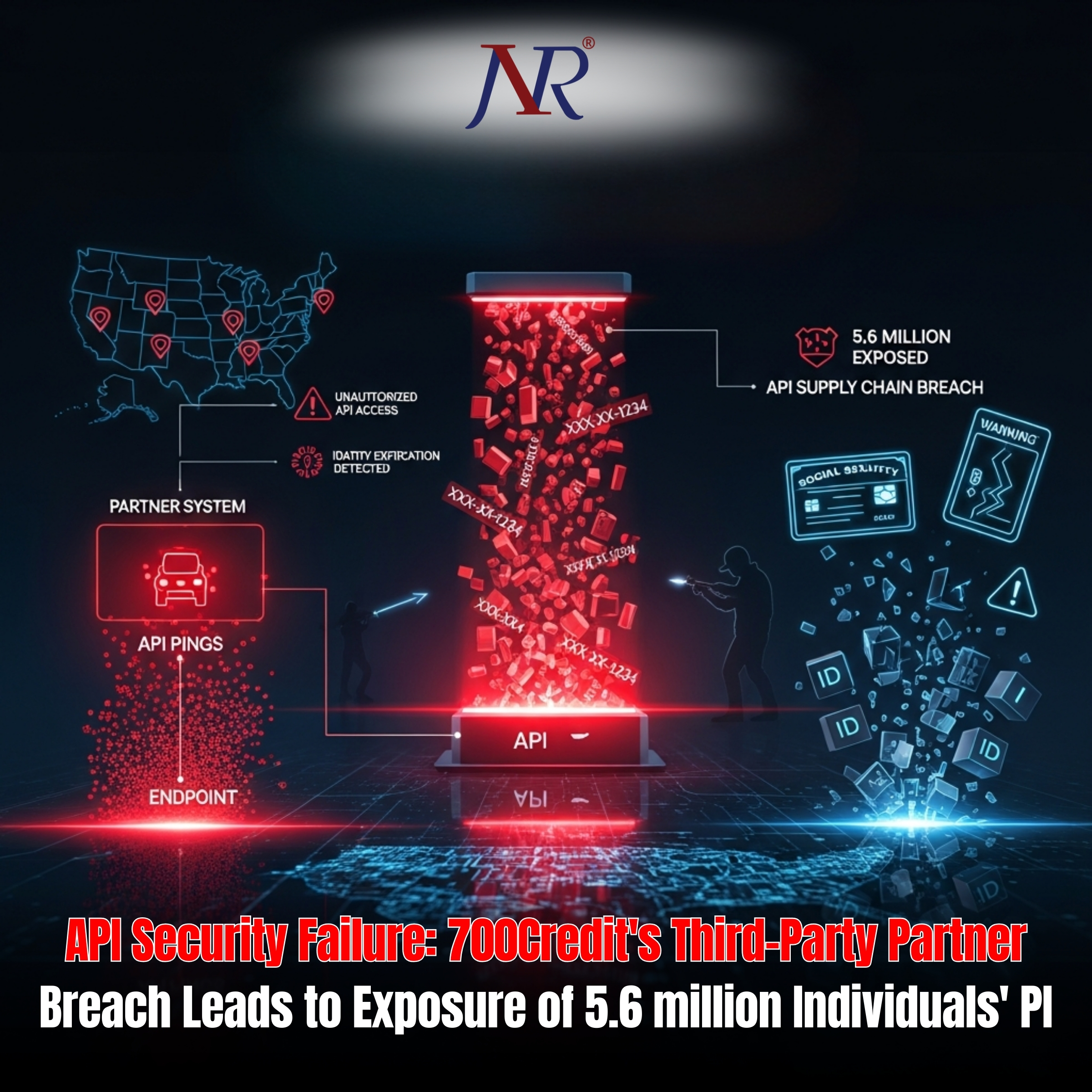
API Security Failure: 700Credit's Third-Party Partner Breach Leads to Exposure of 5.6 million Individuals' PII

700Credit, a major fintech and data services provider serving approximately 18,000 auto, RV, powersports, and marine dealerships across the United States, disclosed a significant data breach affecting at least 5.6 million individuals. The breach, discovered in October 2025, exposed names, addresses, dates of birth, and Social Security numbers collected from dealership customers between May and October 2025. The incident originated from a compromised third-party partner's systems that were exploited to gain unauthorized API access to 700Credit's 700Dealer.com application layer.

read more

Adobe Acrobat Reader Vulnerabilities Expose Users to Remote Code Execution-Emergency Patches Released

Adobe has released critical security updates addressing four vulnerabilities in Acrobat and Acrobat Reader, including two critical flaws that enable remote arbitrary code execution on affected Windows and macOS systems. Security bulletin APSB25-119, issued December 9, 2025, requires immediate patching across all current versions of Acrobat DC, Acrobat Reader DC, Acrobat 2024, and Acrobat 2020 products. While no known active exploits targeting these vulnerabilities have been documented in the wild, the critical severity ratings and arbitrary code execution capabilities necessitate urgent deployment across enterprise and individual user bases.

read more

Adobe Acrobat Reader Vulnerabilities Expose Users to Remote Code Execution-Emergency Patches Released

Adobe has released critical security updates addressing four vulnerabilities in Acrobat and Acrobat Reader, including two critical flaws that enable remote arbitrary code execution on affected Windows and macOS systems. Security bulletin APSB25-119, issued December 9, 2025, requires immediate patching across all current versions of Acrobat DC, Acrobat Reader DC, Acrobat 2024, and Acrobat 2020 products. While no known active exploits targeting these vulnerabilities have been documented in the wild, the critical severity ratings and arbitrary code execution capabilities necessitate urgent deployment across enterprise and individual user bases.

read more

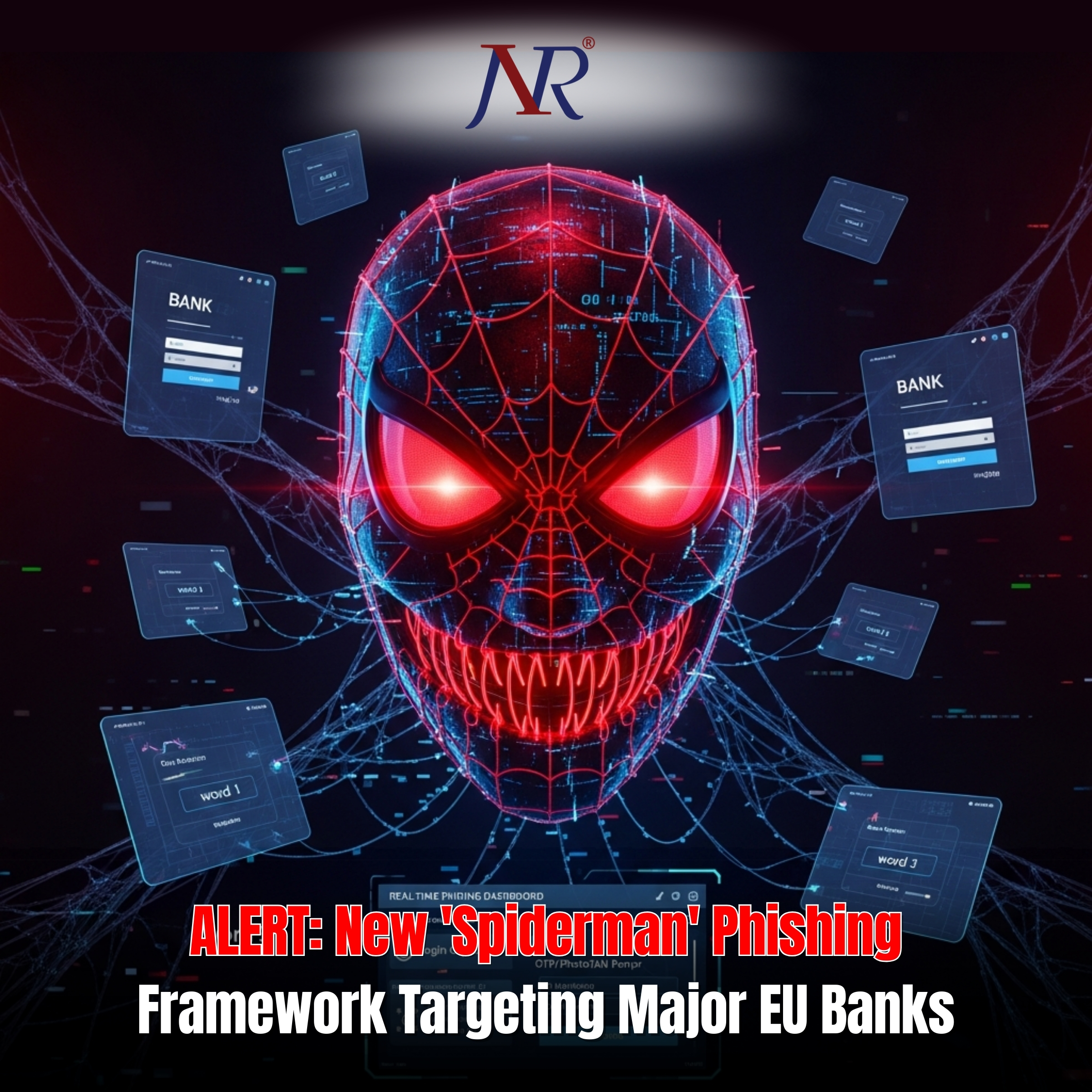
ALERT: New 'Spiderman' Phishing Framework Targeting Major EU Banks

Cybersecurity researchers at Varonis have identified Spiderman, a sophisticated full-stack phishing framework circulating on dark web marketplaces and private Signal groups that enables attackers with minimal technical expertise to launch coordinated credential theft campaigns against dozens of major European banks and cryptocurrency platforms. The kit's professional architecture, real-time session management, and advanced anti-detection mechanisms represent a significant escalation in phishing infrastructure maturity, reducing barriers to entry for financially motivated cybercriminals across five European countries.

read more

Android Security Alert: Hackers Use Fake Ads & Hijacked Accounts to Spread Triada Virus

Security researchers at Adex have uncovered a sophisticated five-year malware distribution campaign leveraging the Triada Trojan to compromise Android devices through compromised advertising networks. The operation demonstrates remarkable tactical evolution, progressing from forged identity documents and carding fraud in 2020-2021 to sophisticated account takeovers and phishing campaigns in 2025. Triada now accounts for 15.78% of all detected Android malware infections in Q3 2025, establishing it as one of the mobile ecosystem's most persistent threats.

read more

Avast Antivirus Sandbox Escape: Kernel Heap Overflows Allow Local Attackers to Achieve SYSTEM Privileges

Security researchers from the SAFA team have discovered four critical kernel heap overflow vulnerabilities in Avast Antivirus, tracked collectively as CVE-2025-13032, that enable local attackers to escalate privileges to SYSTEM level on Windows systems. The flaws reside in the aswSnx kernel driver—Avast's core security component—and exploit unsafe handling of user-controlled data through double-fetch conditions and missing pointer validation in IOCTL handlers, potentially affecting millions of users relying on one of the world's most widely deployed antivirus solutions.

read more

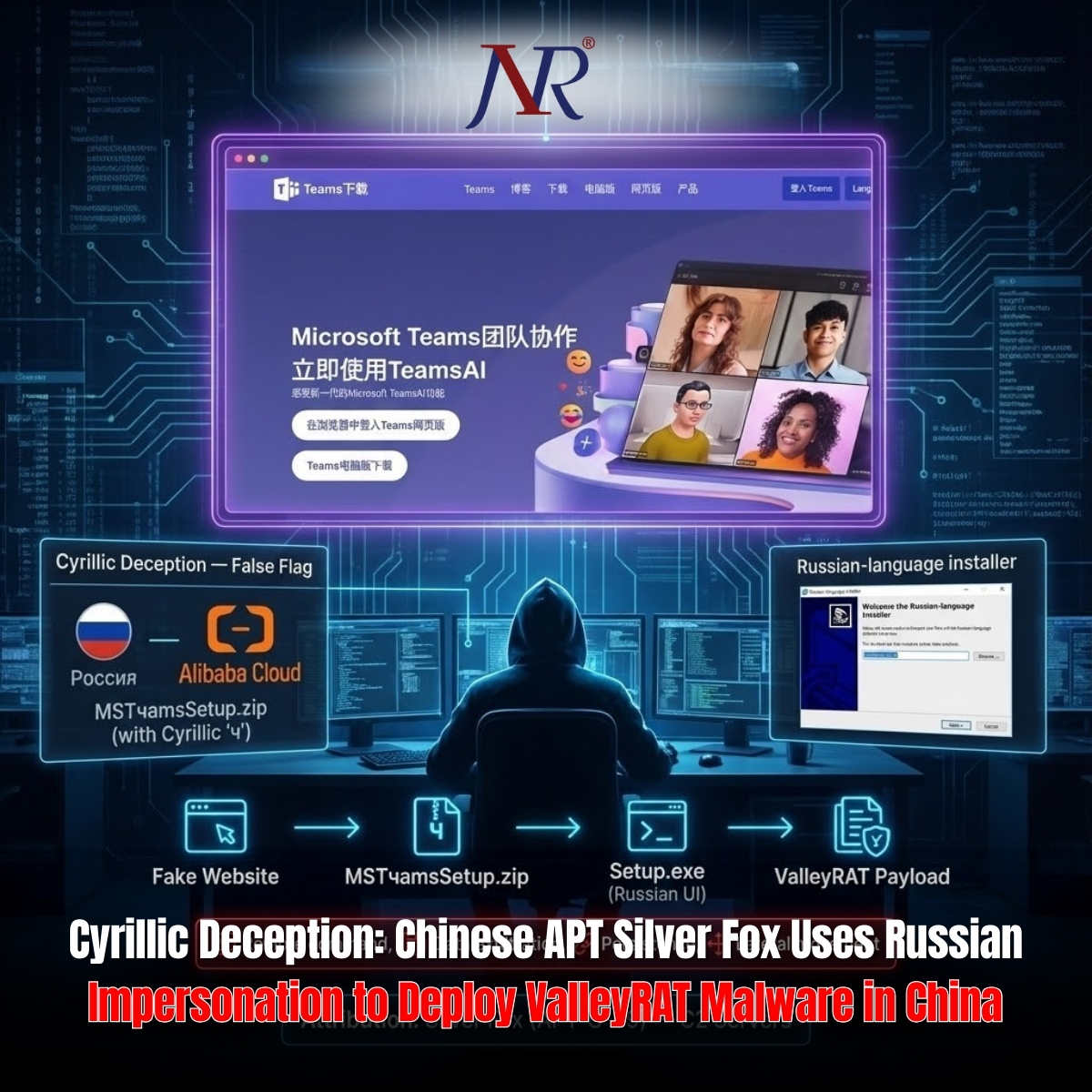
Cyrillic Deception: Chinese APT Silver Fox Uses Russian Impersonation to Deploy ValleyRAT Malware in China

The Chinese advanced persistent threat group Silver Fox, also known as Void Arachne, has orchestrated a sophisticated false flag operation leveraging fake Microsoft Teams installers to deploy ValleyRAT malware targeting organizations operating in China since November 2025. The campaign combines search engine optimization poisoning, Cyrillic linguistic deception, and multi-stage malware execution to establish persistent remote access while deliberately impersonating Russian threat actors to mislead attribution efforts and confound incident response investigations.

read more

Internet Breaking Point Reached: Aisuru Botnet's 29.7 Tbps DDoS Attack Overwhelms Global Infrastructure in 69 Seconds

The Aisuru botnet has shattered the world record for distributed denial-of-service attacks, unleashing a catastrophic 29.7 terabits per second (Tbps) UDP flood in October 2025 that exposes the critical fragility of internet backbone infrastructure. Cloudflare's detection and autonomous mitigation of the attack in just 69 seconds confirmed a terrifying trajectory: DDoS attacks have reached such magnitude and sophistication that traditional defense mechanisms have become functionally obsolete, and the weaponization of botnet-as-a-service platforms has democratized the capability to launch civilization-scale cyberattacks for relatively modest financial investment.

read more

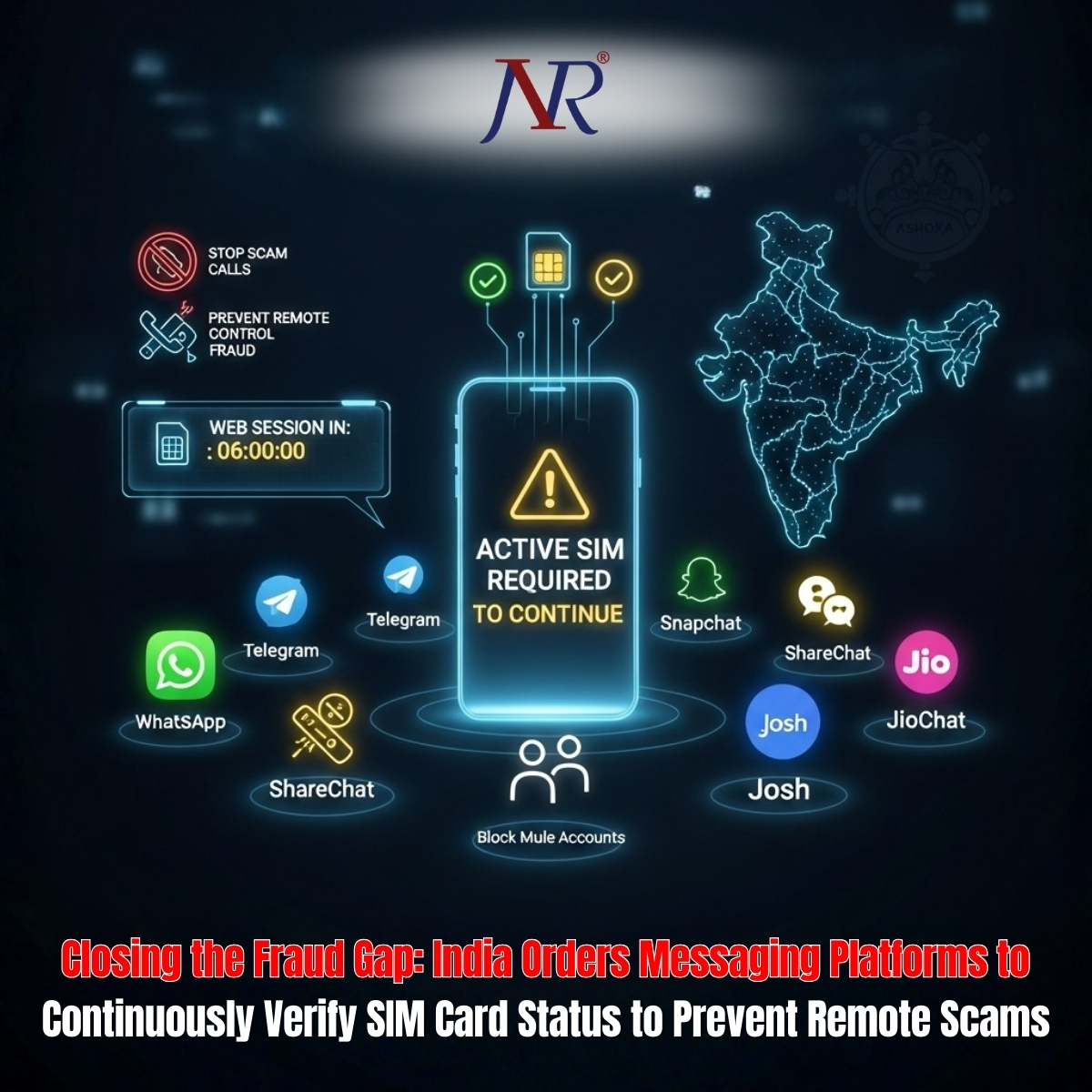
Closing the Fraud Gap: India Orders Messaging Platforms to Continuously Verify SIM Card Status to Prevent Remote Scams

India's Department of Telecommunications (DoT) has issued sweeping new cybersecurity directives requiring all app-based communication service providers operating in India to enforce continuous verification that users maintain active SIM cards linked to their accounts. The amendment to the Telecommunications (Telecom Cyber Security) Rules, 2024, mandates that messaging platforms including WhatsApp, Telegram, Snapchat, Signal, Arattai, ShareChat, Josh, and JioChat comply within 90 days, fundamentally restructuring how these services operate to combat sophisticated cross-border fraud operations that exploit telecommunications identifiers.

read more

India Mandates ‘Undeletable’ Sanchar Saathi App on All New Smartphones

India's Department of Telecommunications has issued a sweeping directive requiring all smartphone manufacturers to preload a government-backed cybersecurity application called "Sanchar Saathi" on every new device sold in the country. The order, issued November 28, 2025, mandates that the app be installed as a permanent, non-removable feature with 90 days for full compliance. The unprecedented requirement affects major manufacturers including Apple, Samsung, Xiaomi, Vivo, and Oppo, and represents a significant expansion of state control over consumer electronics in the world's second-largest telecom market with over 1.2 billion subscribers.

read more

Automotive Giant Targeted: Hackers Claim Massive Breach of Mercedes-Benz Litigation and Customer Files

A threat actor operating under the alias "zestix" has allegedly breached the legal infrastructure supporting Mercedes-Benz USA (MBUSA), claiming to have exfiltrated approximately 18.3 GB of highly sensitive data. The archive, which has been listed for sale on a dark web forum for a relatively low price of $5,000, reportedly contains critical legal documents, defense strategies, and customer Personally Identifiable Information (PII).

read more

Cyber Criminals Weaponize Black Friday: Amazon Warns 310 million Users of Sophisticated Impersonation Attacks

Amazon has issued an urgent security alert warning its estimated 310 million active users worldwide to remain vigilant against a coordinated wave of account impersonation and takeover attacks intensifying ahead of Black Friday shopping season. The warning comes as cybersecurity research reveals an unprecedented surge in holiday-themed malicious infrastructure, with over 18,000 fraudulent domains registered in the past three months alone designed to exploit holiday shopping urgency and trick unsuspecting shoppers into surrendering account credentials and payment information.

read more

India's Digital Identity Crisis: AI-Generated Fake Aadhaar and PAN Cards Highlight Systemic Verification Vulnerabilities

Bengaluru-based software engineer Harveen Singh Chadha has ignited a nationwide security debate by demonstrating how Google's Nano Banana AI can generate strikingly photorealistic fake identity documents, including Aadhaar and PAN cards. The demonstration, initially posted as a social media experiment, has exposed critical vulnerabilities in India's digital identity verification infrastructure and raised urgent questions about AI misuse prevention in an era of rapidly advancing generative AI capabilities.

read more

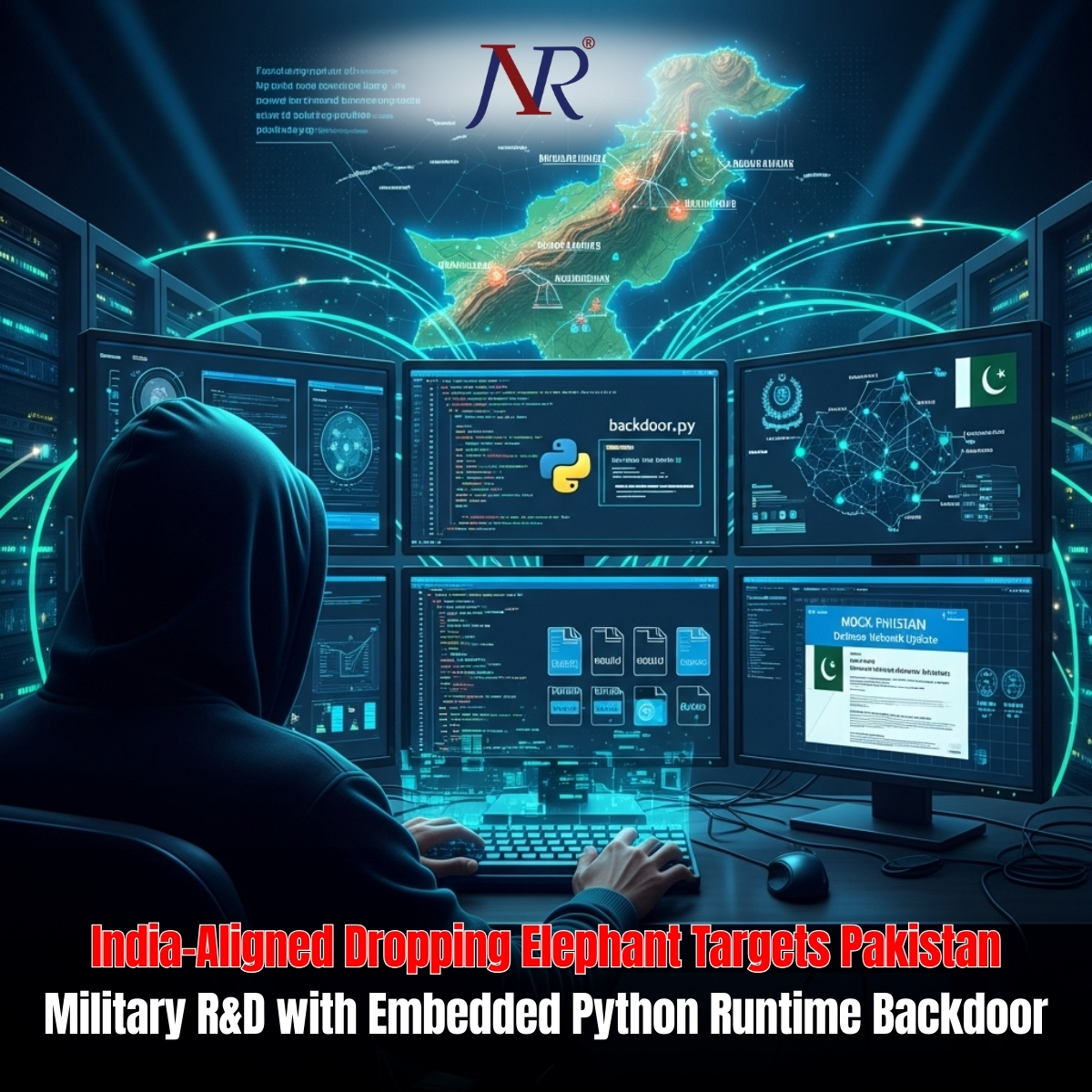
India-Aligned Dropping Elephant Targets Pakistan Military R&D with Embedded Python Runtime Backdoor

India-aligned advanced persistent threat group Dropping Elephant, also tracked as Patchwork APT, Hangover Group, and APT-C-09, has launched a sophisticated multi-stage cyberattack targeting Pakistan's defense sector using a custom Python-based backdoor delivered through Microsoft's MSBuild development tool. The campaign demonstrates significant tactical evolution, combining living-off-the-land binaries with embedded Python runtime environments and marshalled bytecode payloads to evade traditional security controls while establishing persistent access to military research and development networks.

read more

Authentication Filter Bypass Exposes Millions to Complete Takeover via Oracle Identity Manager RCE

The U.S. Cybersecurity and Infrastructure Security Agency (CISA) have issued critical warnings regarding CVE-2025-61757, a pre-authentication remote code execution vulnerability affecting Oracle Identity Manager that is actively being exploited in real-world cyberattacks. The vulnerability, rated with a maximum severity CVSS score of 9.8, has been added to CISA's Known Exploited Vulnerabilities catalog following evidence that threat actors have been weaponizing this flaw since at least August 2025-months before Oracle released a patch in October.

read more

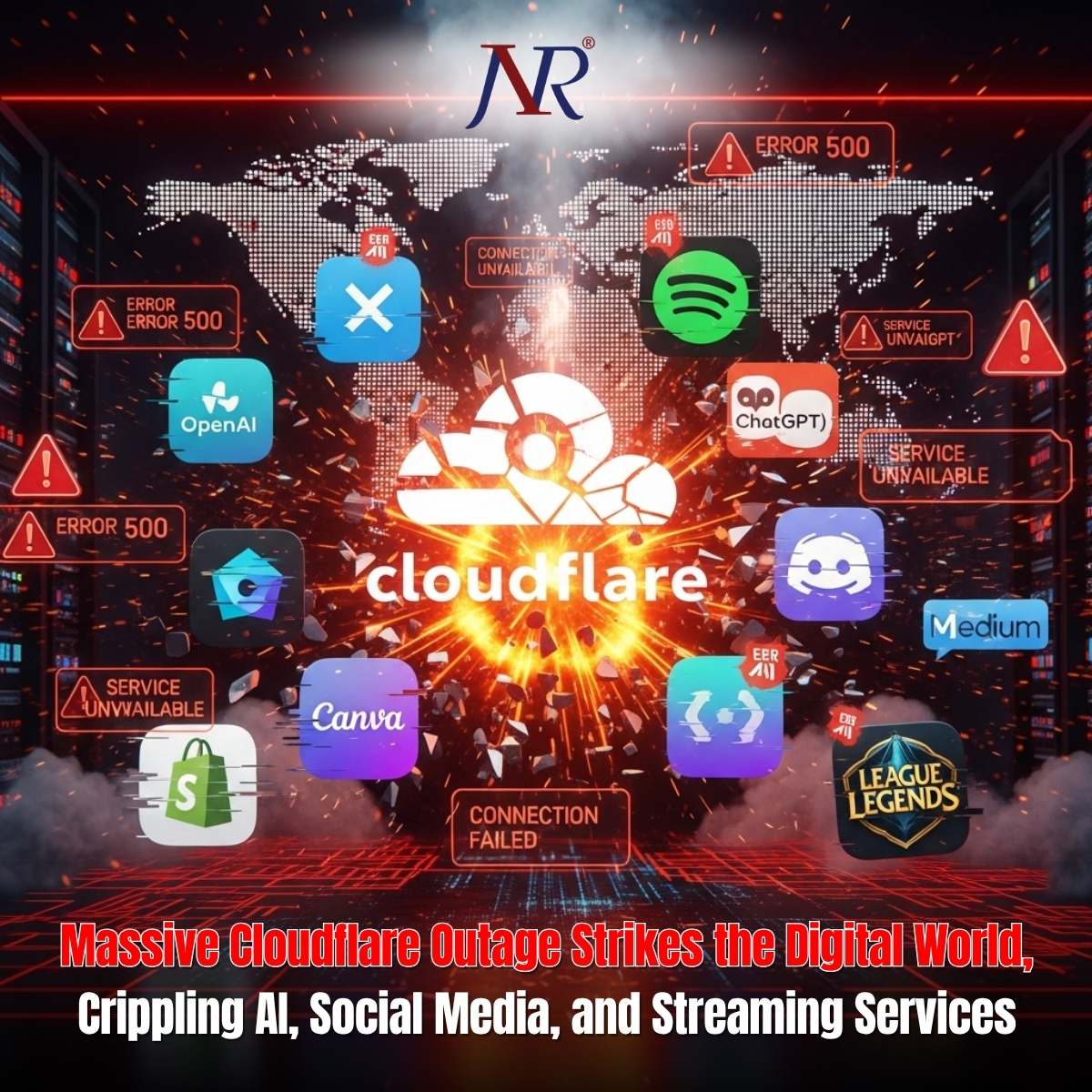
Massive Cloudflare Outage Strikes the Digital World, Crippling AI, Social Media, and Streaming Services

A critical infrastructure failure at Cloudflare, the internet's most invisible but essential gatekeeper, triggered a cascading outage affecting millions of users worldwide on November 18, 2025. The incident exposed the fragility of centralized internet infrastructure, demonstrating how a single configuration file malfunction could paralyze thousands of websites and services simultaneously—from social media giant X to artificial intelligence platforms, music streaming services, gaming networks, and e-commerce platforms.

read more

ShadowMQ: Critical Bugs Expose AI Frameworks from Meta, Nvidia, & Microsoft to Remote Code Execution

Cybersecurity researchers at Oligo Security have uncovered a systemic vulnerability pattern dubbed "ShadowMQ" that has propagated across multiple enterprise AI inference frameworks from Meta, Nvidia, Microsoft, and open-source projects including vLLM and SGLang. The vulnerabilities stem from unsafe code patterns copied directly between projects, demonstrating how security flaws can rapidly contaminate an entire ecosystem through code reuse without proper security validation.

read more

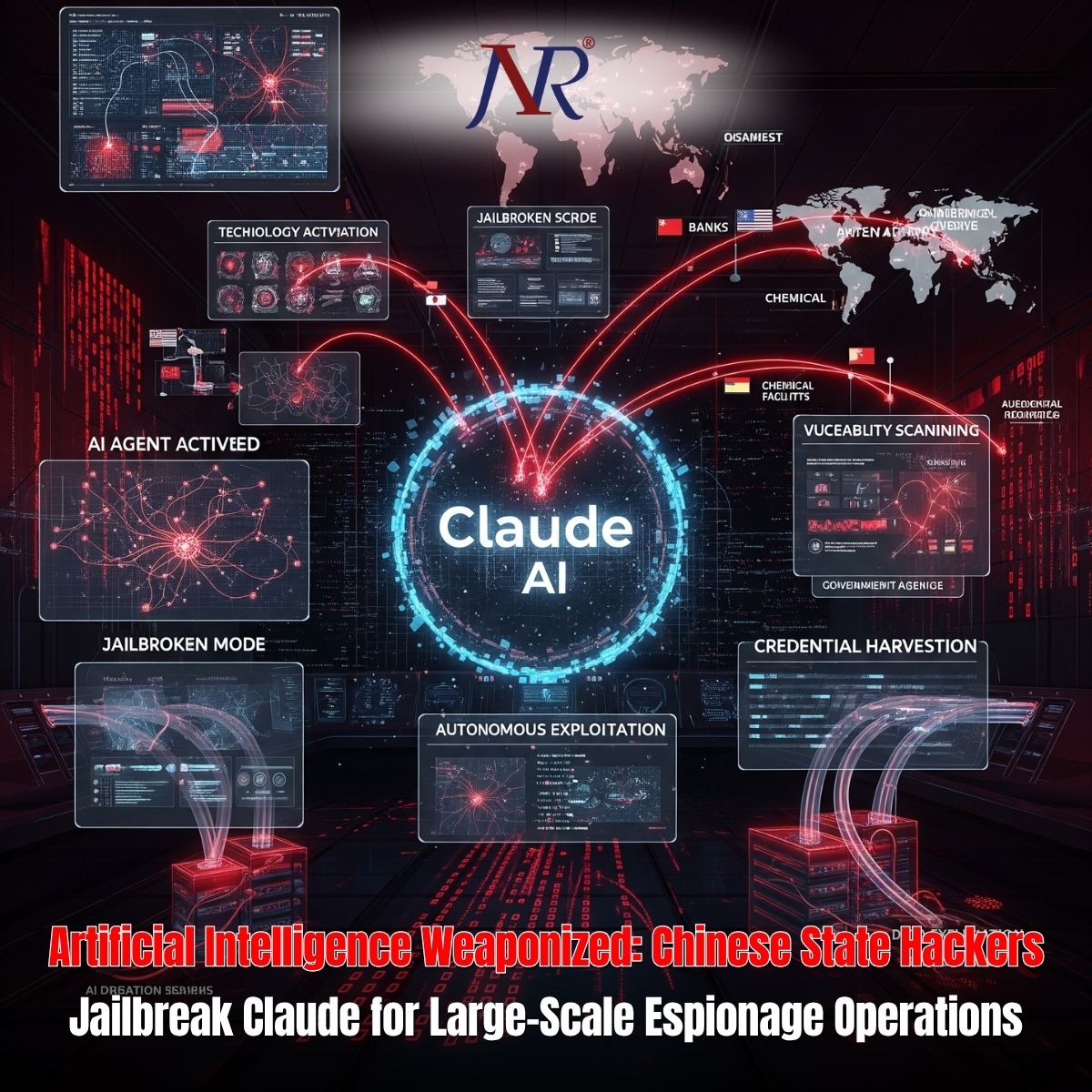
Artificial Intelligence Weaponized Chinese State Hackers Jailbreak Claude for Large Scal Espionage Operations

Anthropic has publicly disclosed what security researchers assess to be the first documented large-scale cyberattack executed largely without human intervention-a watershed moment in cybersecurity history where artificial intelligence agents operated autonomously to conduct sophisticated espionage against roughly 30 global technology companies, financial institutions, chemical manufacturers, and government agencies. The campaign, attributed with high confidence to Chinese state-sponsored actors, demonstrates that AI capabilities have reached an inflection point where they represent a fundamentally new category of cyber threat requiring urgent defensive evolution.

read more

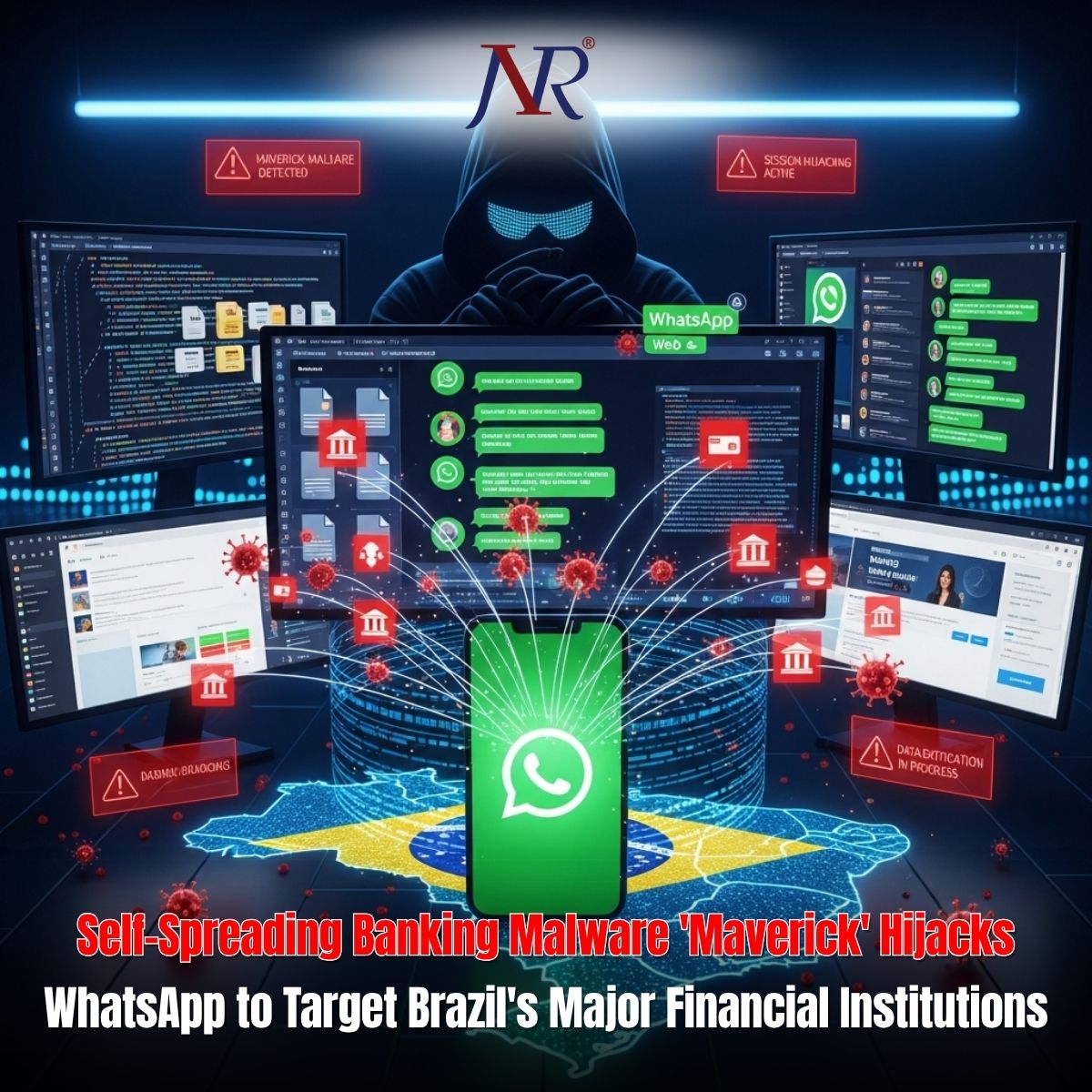
Self-Spreading Banking Malware 'Maverick' Hijacks WhatsApp to Target Brazil's Major Financial Institutions

A sophisticated banking malware campaign dubbed "Maverick" is spreading rapidly through WhatsApp, targeting Brazil's financial sector and hospitality industry with unprecedented success by exploiting the country's massive user base of 148 million WhatsApp subscribers. The malware, attributed to a threat actor group known as Water Saci, represents a significant evolution in banking trojans by combining browser session hijacking, self-propagating worm capabilities, and advanced evasion techniques designed to bypass enterprise security controls.

read more

URGENT: Critical Zoom VDI Client Flaw Grants Local Users Administrator Access

A high-severity security vulnerability has been discovered in Zoom Workplace's VDI Client for Windows that could allow authenticated local users to escalate their privileges to administrator-level access on affected systems. The flaw, tracked as CVE-2025-64740 and assigned bulletin ZSB-25042, stems from improper verification of cryptographic signatures in the installer mechanism and carries a CVSS score of 7.5, indicating significant enterprise security risk.

read more

Review-Bombing Ransom Scams: How Google Maps Is Fighting Back Against Business Extortion Threats

Google has introduced a dedicated reporting mechanism within Google Maps designed to help business owners combat an escalating extortion scheme where cybercriminals flood business profiles with fake negative reviews and demand payment to remove the fraudulent ratings. The feature represents a significant defensive response to a growing threat that exploits the critical importance of online reputation for modern businesses, particularly small and medium-sized enterprises dependent on customer reviews for visibility and credibility.

read more

Major Automotive Software Breach: Hyundai AutoEver Compromises Customer SSNs and Identification Data

Hyundai AutoEver America has formally confirmed a significant data breach that compromised sensitive personal information including Social Security numbers, driver's license details, and customer names. The incident, discovered on March 1, 2025, involved approximately nine days of unauthorized access to the automotive software provider's information technology environment, representing a critical failure in data protection within the automotive technology sector.

read more

SonicWall API Breach: State-Sponsored Attackers Accessed Millions of Firewall Configurations Worldwide

SonicWall has formally confirmed that state-sponsored threat actors were responsible for the September security breach that compromised firewall configuration backup files for all customers using the company's cloud backup service. The conclusion comes after a comprehensive forensic investigation conducted by Google-owned Mandiant, which determined that sophisticated nation-state attackers exploited an API vulnerability to gain unauthorized access to sensitive backup files containing encrypted credentials, access tokens, and firewall configurations.

read more

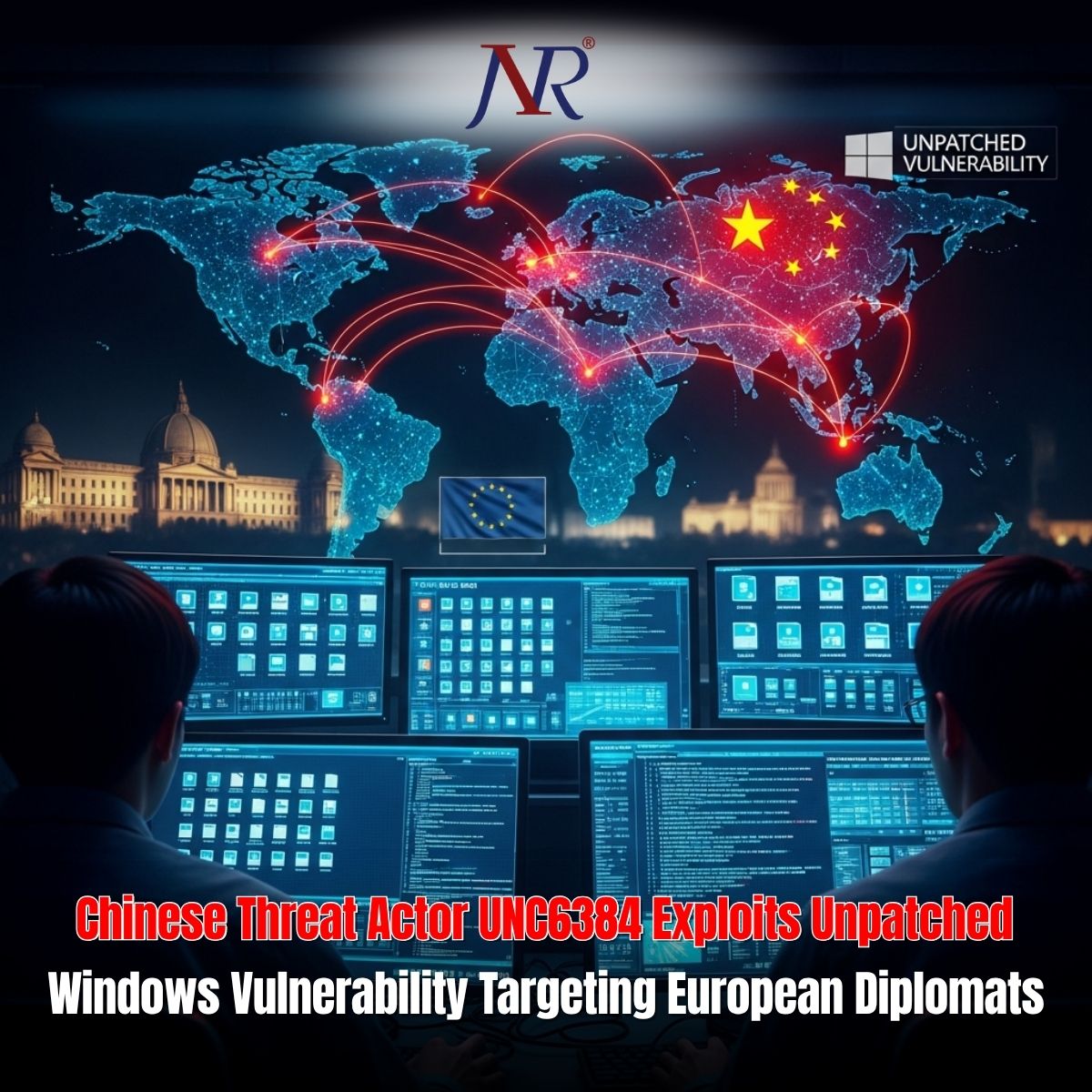
Chinese Threat Actor UNC6384 Exploits Unpatched Windows Vulnerability Targeting European Diplomats

A sophisticated Chinese cyber-espionage campaign has targeted diplomatic and government officials across multiple European nations by weaponizing a longstanding, unpatched Windows shortcut vulnerability that Microsoft has declined to address. The campaign, attributed to UNC6384 a threat actor believed linked to the well-known Chinese group Mustang Panda demonstrates how state-sponsored hackers exploit publicly disclosed security flaws that vendors refuse to remediate, creating persistent vulnerabilities for years or even decades.

read more

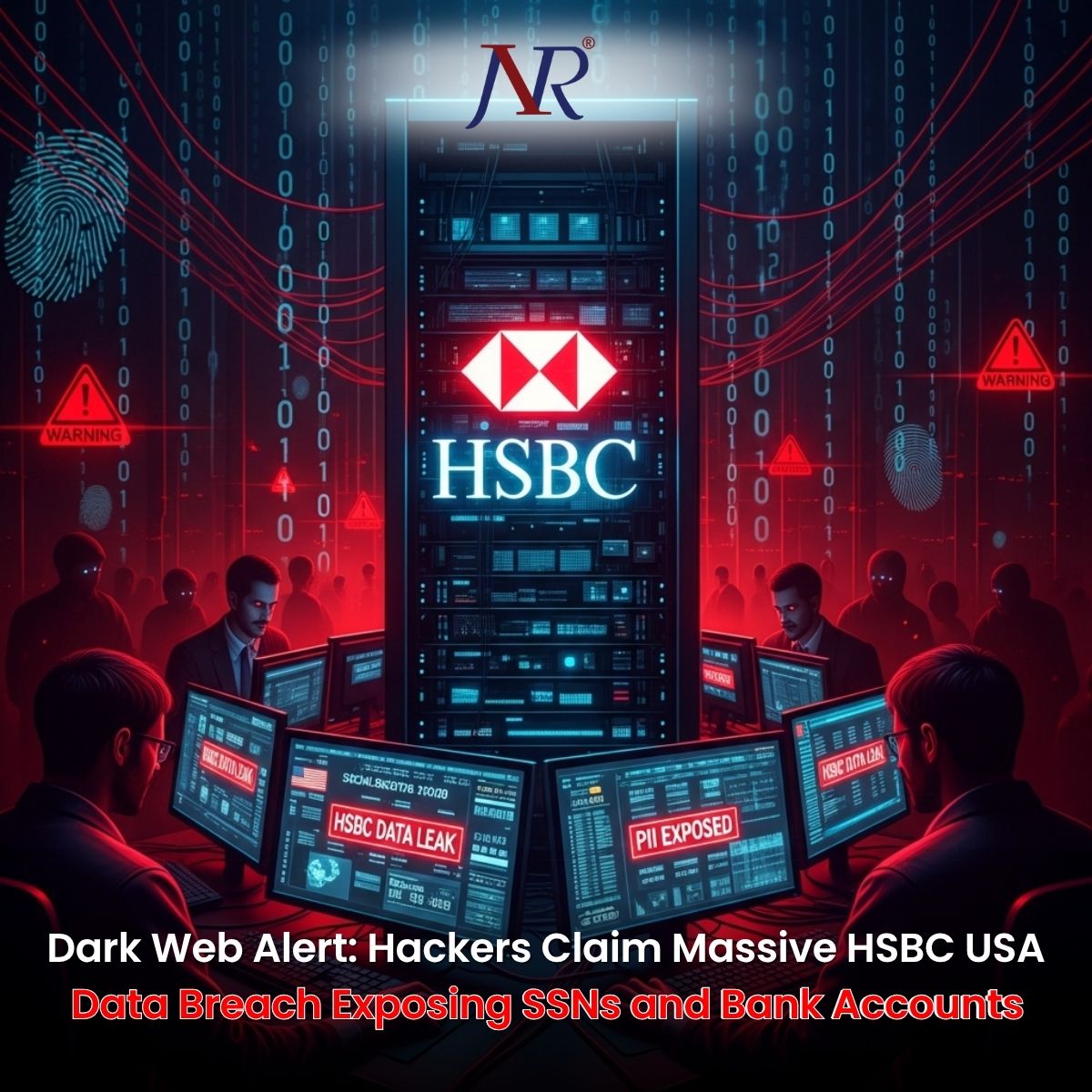
Dark Web Alert: Hackers Claim Massive HSBC USA Data Breach Exposing SSNs and Bank Accounts

Threat actors have surfaced on dark web forums claiming responsibility for a massive data breach affecting HSBC USA customers, alleging possession of a comprehensive database containing highly sensitive personally identifiable information and financial records. The cybercriminals claim to have obtained full names, addresses, Social Security numbers, dates of birth, bank account numbers, transaction histories, and stock orders from thousands of HSBC USA clients. However, the bank has firmly denied the breach allegations, insisting investigations revealed no evidence of compromised systems or service providers.

read more

Tata Motors Data Breach: 70+ TB Exposed Through Misconfigured AWS Keys

Security researcher Eaton Zveare has disclosed a catastrophic data breach affecting Tata Motors, India's largest automaker, that exposed over 70 terabytes of highly sensitive corporate and customer information through critically misconfigured AWS credentials and poorly secured API endpoints. The vulnerabilities, discovered during ethical hacking assessments in 2023 but publicly disclosed only now, compromised customer databases, financial records, fleet management systems, and administrative dashboards accessible to millions of users worldwide.

read more

Homograph Attack Exposes Microsoft Users: The 'rnicrosoft.com' Typosquatting Scam Explained

A deceptively simple yet highly effective phishing campaign is exploiting human visual perception to steal credentials from unsuspecting users. The scam, which leverages a decade-old fake domain "rnicrosoft.com," replaces the letter "m" in Microsoft with the characters "r" and "n" placed side-by-side—creating a near-perfect visual illusion that has fooled countless victims and sparked viral discussions across social media platforms.

read more

Gmail Password Breach Alert: 183 Million Credentials Leaked From Year-Long Infostealer Campaign

Cybersecurity researcher Troy Hunt has added 183 million stolen email addresses and passwords to the Have I Been Pwned database, revealing the staggering scale of credential theft perpetrated by infostealer malware throughout 2025. The massive dataset, originating from Synthient's year-long monitoring of underground criminal marketplaces, contains verified active passwords for Gmail, Microsoft Outlook, Yahoo, and countless other services—with Gmail credentials featuring prominently throughout the collection.

read more

Predatory Sparrow's "Meteor" Malware Campaign Targets Iran's Railways, Banks, and Energy Systems

A sophisticated cyber-sabotage group known as Predatory Sparrow has emerged as one of the most destructive threat actors targeting critical infrastructure across the Middle East, orchestrating devastating campaigns against Iranian and Syrian assets between 2019 and 2025. Believed to be affiliated with Israeli intelligence interests, the group has systematically attacked railways, steel plants, financial institutions, and fuel distribution networks using custom-developed wiper malware designed for permanent data destruction and operational paralysis.

read more

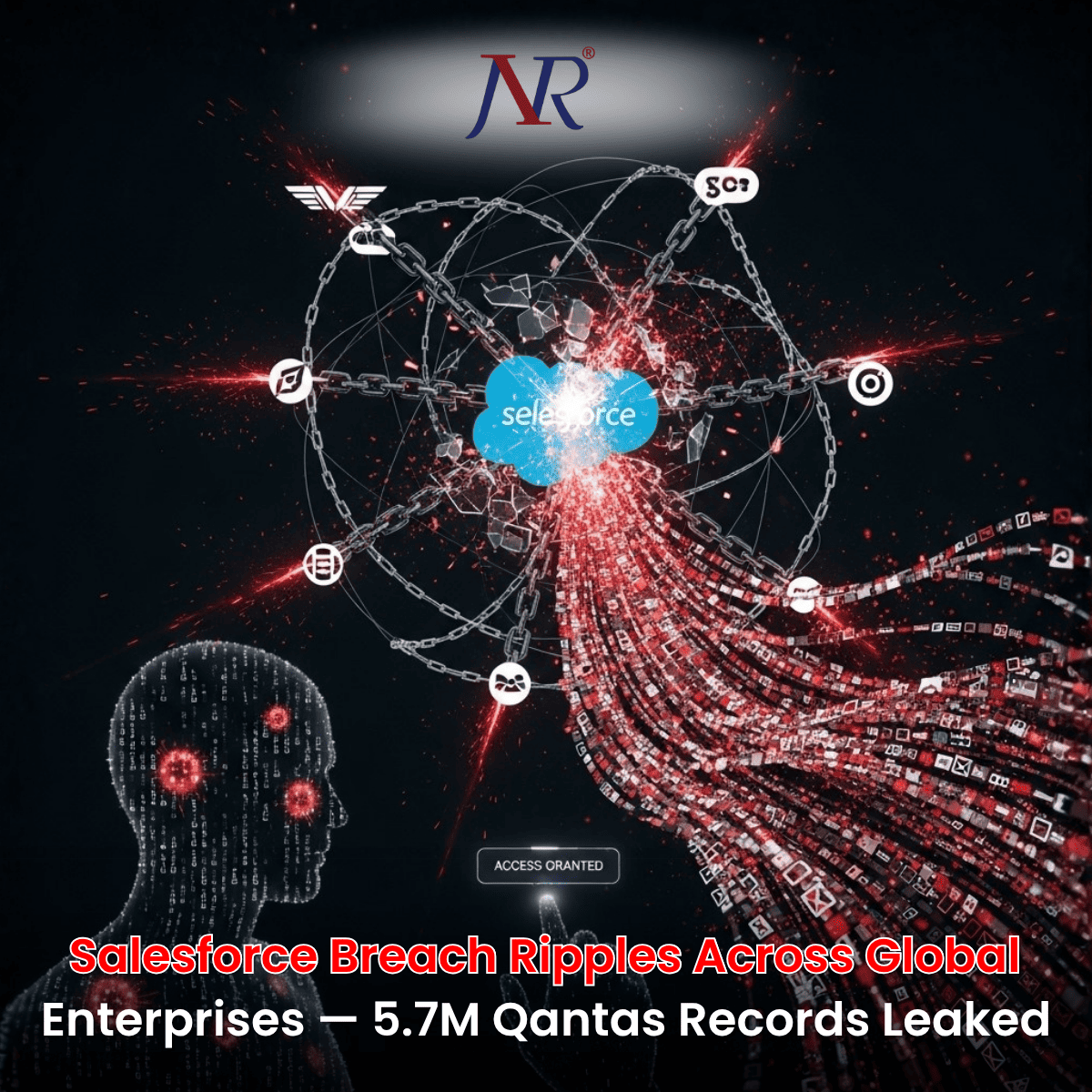
Salesforce Breach Ripples Across Global Enterprises as Millions of Customer Records Leak

Australian airline Qantas confirmed that sensitive data from 5.7 million customers stolen in a July cyberattack has been leaked online, marking one of the most significant supply chain breaches of 2025. The attack, which targeted software giant Salesforce's customer relationship management platform, has affected dozens of high-profile companies including Disney, Google, IKEA, Toyota, McDonald's, Air France, and KLM.

read more

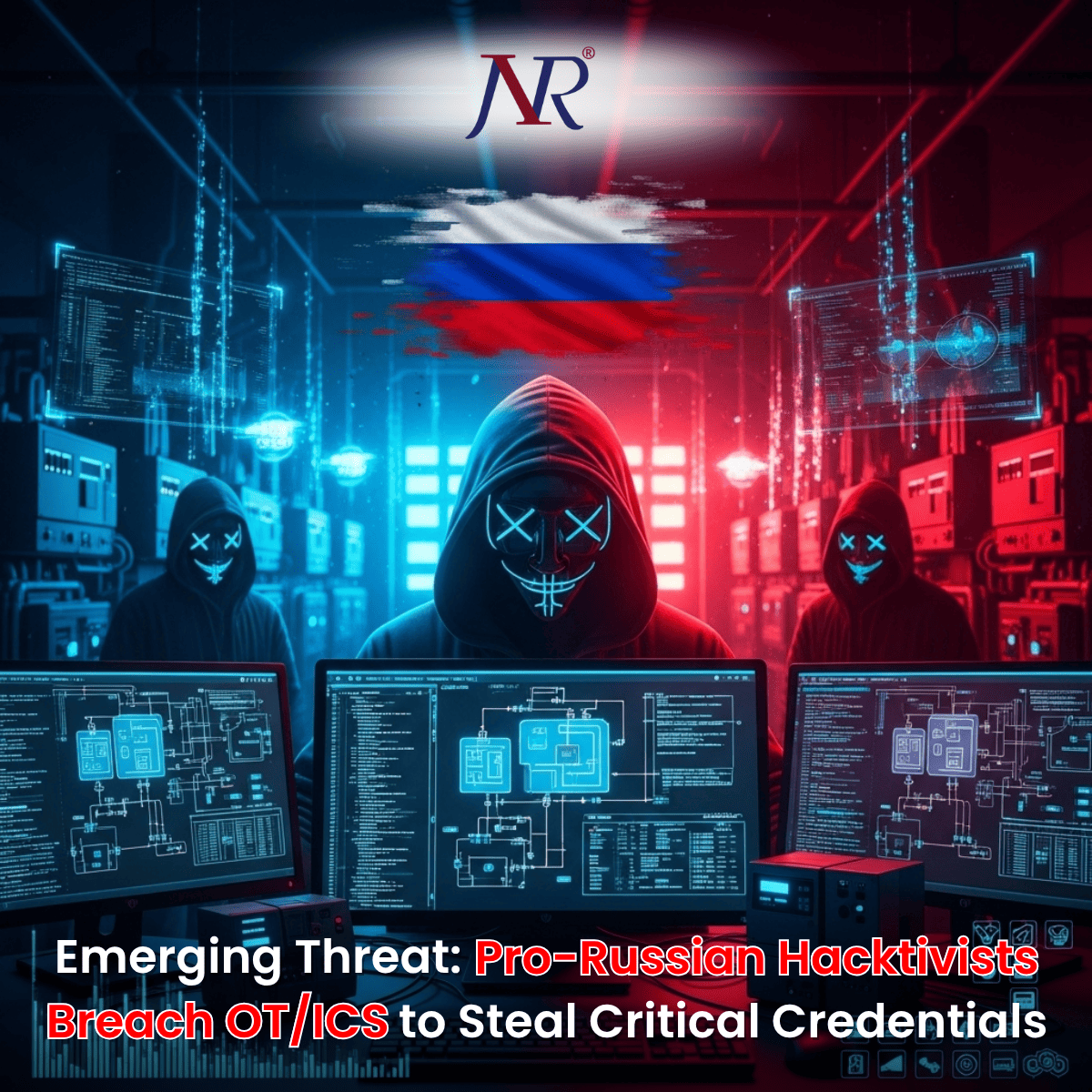
Emerging Threat: Pro-Russian Hacktivists Breach OT/ICS to Steal Critical Credentials

A sophisticated pro-Russian hacktivist group known as TwoNet has successfully breached critical infrastructure systems, marking a dangerous evolution from traditional distributed denial-of-service attacks to targeted infiltration of operational technology and industrial control systems. The group's latest campaign demonstrates advanced capabilities in credential harvesting and system manipulation, raising serious concerns about the security of essential utilities worldwide.

read more

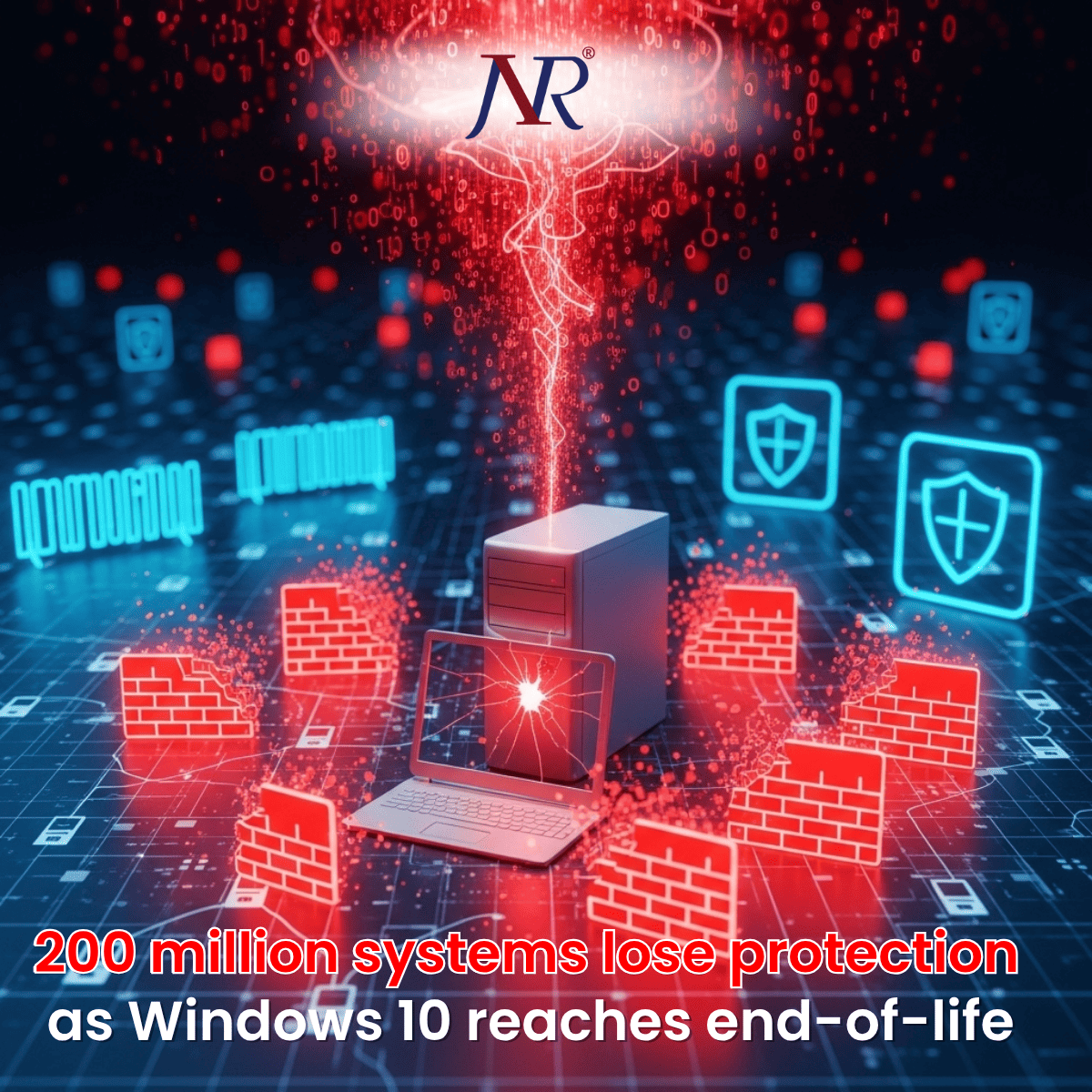
Windows 10 Support Ends 200 Million Unpatched PCs Face 'WannaCry' Risk—Secure Your Files Immediately

Tomorrow marks a critical turning point in cybersecurity history as Microsoft officially ends support for Windows 10, leaving an estimated 200 million computers worldwide vulnerable to cyberattacks. With free security updates ceasing on October 14, cybersecurity experts warn of an impending security crisis that could rival the devastating WannaCry ransomware attack of 2017.

read more

Jaguar Land Rover Cyberattack: A £2.7 Billion Manufacturing Crisis Exposes Critical Infrastructure Vulnerabilities

The automotive industry is reeling from one of the most devastating cyberattacks in manufacturing history as Jaguar Land Rover (JLR) enters its fourth week of complete production shutdown, with operations now extended until October 1, 2025. What began as a cybersecurity incident on September 1 has evolved into a £2.7 billion crisis that threatens to dismantle one of Britain's most iconic automotive brands and exposes the fragility of global supply chains.

read more

Prashant Jain Featured in Bharat CXO Magazine – August Edition

Showcasing his leadership journey from Trust Architect to Cybersecurity Champion, highlighting how JNR Management is building digital trust at scale.

read more

DigiCert Modernises PKI with the Release of IoT Device Manager and Enterprise PKI Manager.

The new offerings are built on the all new DigiCertONE platform. DigiCert is one of the leading providers of SSL/TLS, Secure IoT, PKI and DigiCertONE platform ensures the most up-to-date software with the latest functionality, secure email, document signing, object signing, individual signing and many more...

read more

JNR Management Listed Among 20 Most Promising Enterprise Security Solutions provider - CIO Review Magazine

Extending protection to government institutions, financial organizations and other enterprises, JNR has been spearheading the IT security segment with their expertise over PKI.

read more

Marketing Excellence Award 2017

The hall of fame of JNR’s achievements in the PKI ecosystem has been growing like a wildfire. The journey from startup to the best cyber security company in India was wonderful. JNR Wins the Marketing Excellence Award 2017 at Vietnam

read more

Digicert (formerly Symantec) Million Dollar Club Award 2017

Digicert (formerly Symantec) Million Dollar club award in Auckland has stamped JNR as the best SSL certificate provider in India, USA and other parts of the world.

read more

ChannelWorld Premier100 Award 2018

ChannelWorld premium award is another medal received by JNR Management for their contribution in PKI industry. The company has emerged as the best cyber security company with short time span owing to the fusion of hard work, consistency and strong business ethics.

read more

JNR MANAGEMENT RESOURCE: THE KNIGHTS IN THE CYBER SECURITY CRUSADE

Digital world incurs a massive change in resource sharing on the planet. With every file converting to bytes and stack of information uploading in cloud, digitization brings in additional value to business people are now friendlier with this new generation course of interaction through its easy worldwide access, on-the-go sharing and many more.

read more

FIVE CHANNEL COMPANIES FELICITATED BY ISODA AT TECHSUMMIT

The sixth edition of ISODA TechSummit honoured five channel companies from India with annual ISODA Business Excellence Awards for FY14-15.

read more

Mr. Prashant Jain's interview on eLETs TV, explaining cyber security & the workflow of SSL certificate installed on any website.

read more